Launch Now
  • Students
  • Educators
  • Employers
  • Help
    • Blog
    • FAQ
    • Contact
  • Sign In

Blog

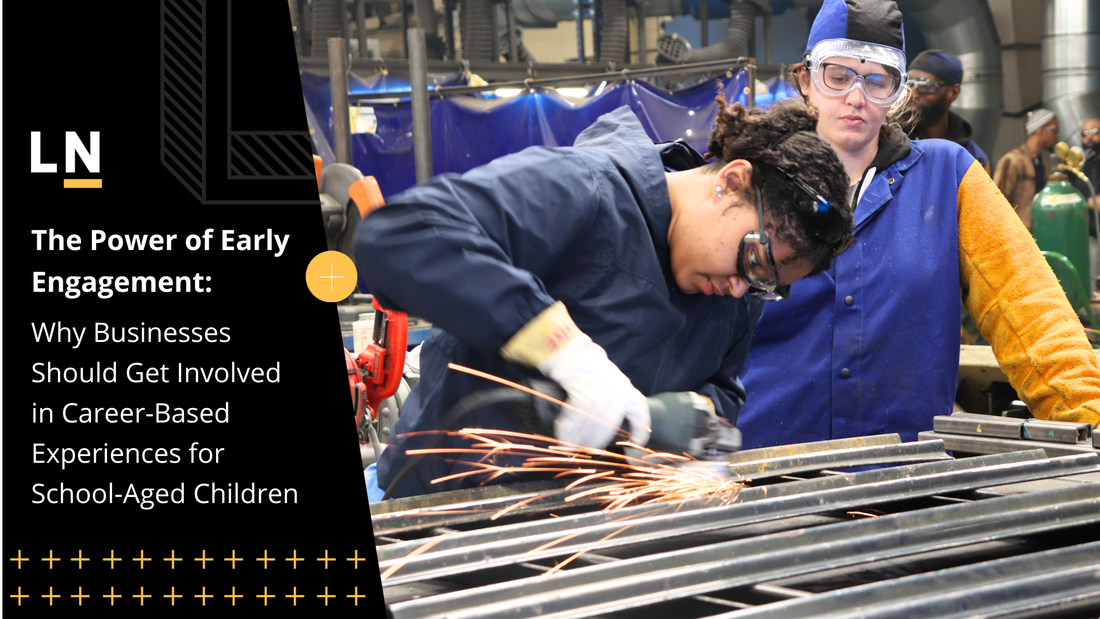
The Power of Early Engagement: Why Businesses Should Get Involved in Career-Based Experiences for School-Aged Children

10/13/2023

0 Comments

 
Picture
Introduction
In today's rapidly evolving global economy, the integration of real-world experiences into education has become paramount. As school-aged children embark on their educational journeys, it is crucial for businesses to play an active role in providing them with career-based experiences. These experiences not only benefit the students but also contribute to a stronger workforce, improved community relations, and enhanced business growth. This article explores the reasons why businesses should engage in career-based experiences for school-aged children.

1. Bridging the Gap Between Classroom Learning and Real-World Application
Businesses have a unique opportunity to bridge the gap between theoretical classroom learning and practical real-world application. By offering students the chance to participate in job shadowing, internships, or mentoring, businesses can provide tangible experiences that reinforce classroom knowledge. According to a report by the National Association of Colleges and Employers (NACE), students who engage in internships or co-op experiences are more likely to have higher job offers and better job satisfaction upon graduation[^1]. This study also concluded that first year retention rates for students who participated in internships and co-ops were as high as 70% versus new hires that did not come from these programs. 

2. Fostering Informed Career Decisions
Early exposure to various career options can significantly impact a student's career choices. At Launch Now we know students can’t be what they can’t see. It’s the role of the businesses providing school-aged children with the insights into different industries, job roles, and day-to-day operations that help them make more informed decisions about their future paths. A study published in the Journal of Vocational Behavior emphasizes the importance of career exploration in adolescence, leading to improved career decision-making and greater job satisfaction in the long run[^2]. In another study [^3], researchers found that 47% of boys and 53% of girls surveyed in 41 countries expect to work in one of just 10 popular jobs by age of 30. Of more significance, this study found that students aim to enter somewhat inaccessible occupations. The top five occupations in both Canada and the United States include occupations such as doctors and lawyers, while many highly accessible professions in similar fields are farther down the list.

3. Cultivating a Skilled Workforce
Businesses engaging with school-aged children contribute to the cultivation of a skilled and job-ready workforce. By investing in job-shadowing, mentorships, or apprenticeships, companies can shape the skill sets of future employees to align with industry demands. The European Centre for the Development of Vocational Training (Cedefop) highlights the positive correlation between work-based learning experiences and the acquisition of relevant job skills[^4]. According to another study published by American Student Assistance [^5] authors found that middle school students were the population most receptive to positive change following a career development intervention. ASA’s research showed student stress levels increase as students’ progress through high school. The stakes are lower in middle school leaving students more open to opportunities to explore. According to this study middle school aged were more willing to experiment, and their exploration can be a source of positive motivation lasting into high school. These findings are a key reason we’ve made Launch Now accessible to students starting in 6th grade.

4. Strengthening Community Relations
Offering internships and student mentoring positively affects a local business's reputation in several ways. First, it demonstrates a commitment to the local community and education, showcasing corporate social responsibility. Second, it can lead to positive word-of-mouth within the community, as parents, students, and educators may spread the word about the company's investment in young talent. Third, it helps build a positive employer brand, making the business more attractive to potential employees who value companies engaged in community development. Lastly, as these programs often lead to skill development and future job opportunities for students, the business can be seen as a catalyst for local economic growth, which further enhances its reputation.

5. Sparking Innovation and Fresh Perspectives
Providing mentorship and internship opportunities to school-age children can help businesses gain new perspectives by introducing diverse and creative ways of thinking. Children often approach challenges with unconventional ideas and are less bound by established norms. Their adaptability and tech-savviness can bring insights into emerging technologies and trends that can be valuable for businesses looking to stay at the forefront of innovation. Their fresh eyes can even identify inefficiencies or areas for improvement that others have become accustomed to.

​Conclusion
Engaging businesses in providing career-based experiences for school-aged children yields invaluable short and long-term advantages. Through mentorships and internships, companies gain access to fresh perspectives from the next generation, all the while solidifying their presence within the community. Furthermore, businesses play a pivotal role in cultivating a skilled workforce, aligning the next wave of employees with the evolving demands of the industry. Students leave these programs with equally meaningful experiences and new insight into their options for a fulfilling career.
References
^1  National Association of Colleges and Employers (NACE). (2019). 2019 Internship & Co-op Survey Report.
^2  Nota, L., & Rossier, J. (2015). Handbook of Life Design: From Practice to Theory and from Theory to Practice.
^3  Organisation for Economic Co-operation and Development (OECD), (2020) Dream jobs: Teenagers’ career aspirations and the future of work 
^4  European Centre for the Development of Vocational Training (Cedefop). (2020). Benefits of Vocational Education and Training.
^5  American Student Assistance Meta-analytic (Whiston, Rossier, & Baron, 2017)

0 Comments

Your comment will be posted after it is approved.


Leave a Reply.

Picture
Home
Students + Parents
Educators
Employers
FAQ
Contact
Blog
Terms of Use

Proud Sponsors of The New Hampshire Association of School Principals and the New Hampshire School Administrators Association
Picture
Picture

​© 2023 Launch Now, LLC. All Rights Reserved

  • Students
  • Educators
  • Employers
  • Help
    • Blog
    • FAQ
    • Contact
  • Sign In